Regional biosolids infrastructure Develop. Invest. Operate.
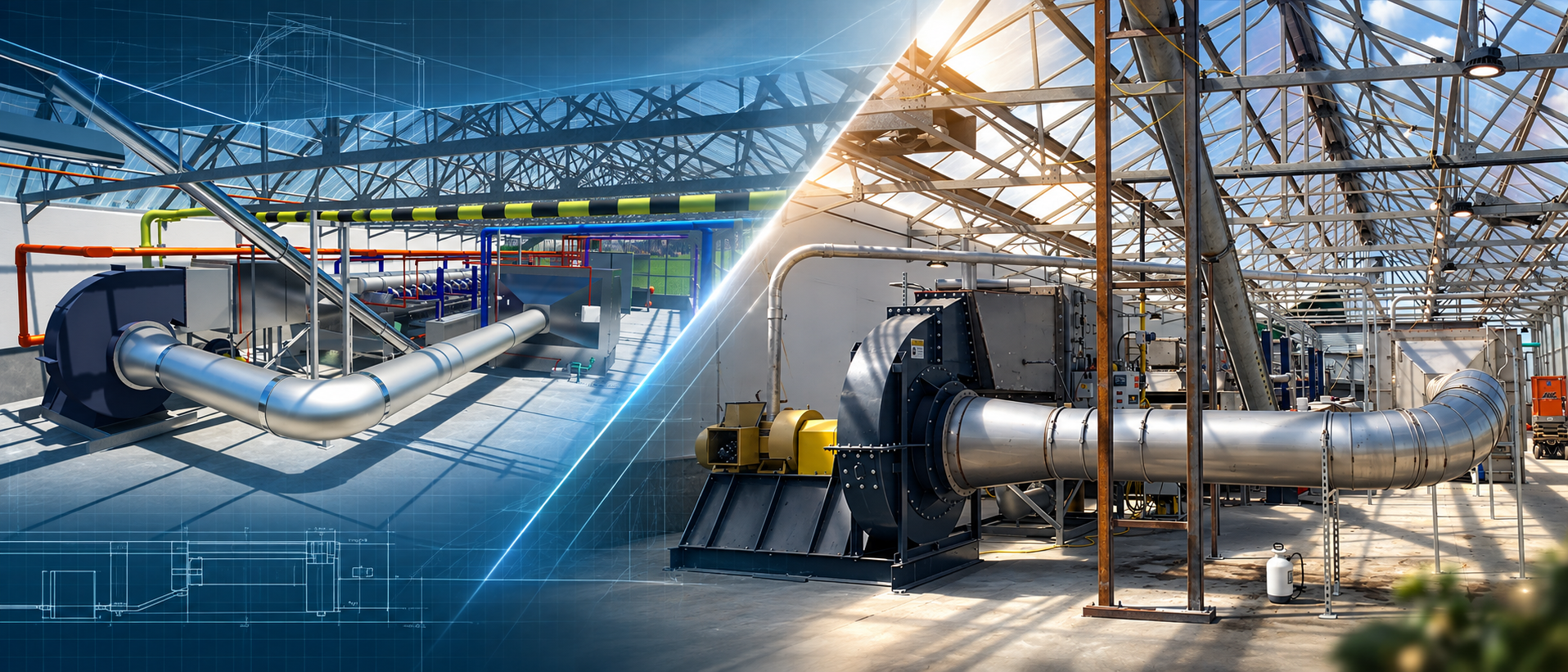
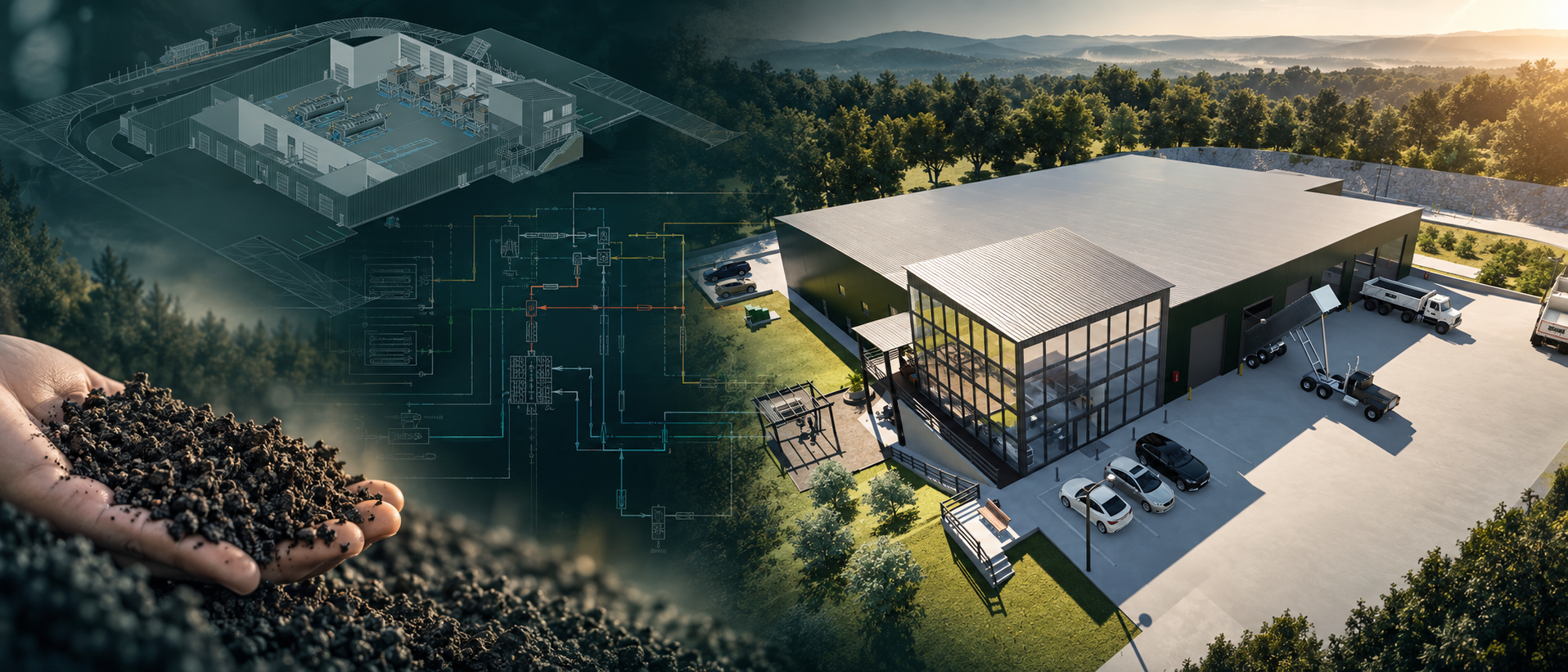
Rendering of the GR facility under construction in Georgia.
Griffin Residuals · Regional biosolids infrastructure

Infrastructure for the
next generation of
biosolids management.

Developing, investing in and operating long-term biosolids processing capacity.

Griffin Residuals develops regional biosolids infrastructure designed to serve multiple municipalities and utilities under long-term processing agreements.

DEVELOP. INVEST. OPERATE.
Development. Capital.
Technology. Operations.

We assume the development, capital, technology and operating responsibilities required to bring new processing capacity online—allowing our municipal partners to address long-term biosolids needs without independently developing and operating major thermal processing infrastructure.

The infrastructure challenge

Biosolids management is an infrastructure challenge.

CAPACITYDisposal constraints
ECONOMICSIncreasing costs
COMPLEXITYChanging requirements
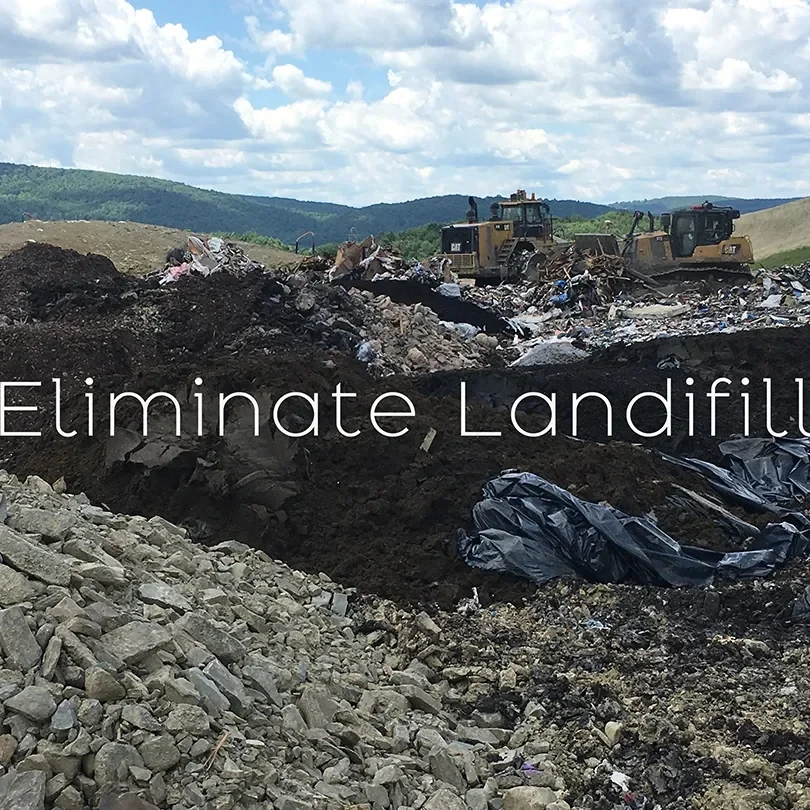
Landfill disposal imagery with the supplied words Eliminate Landfill.
Dried, Class-A Biosolids help to reduce landfill disposal

Disposal capacity is becoming more constrained. Transportation distances are increasing. Regulatory changes further complicate biosolids management practices as land application requirements continue to constrict. Municipalities are being asked to absorb increasingly high biosolids disposal rates or to invest in infrastructure that is vastly expensive and outside of WWTP operational core competence.

Griffin Residuals develops infrastructure to address that challenge.

Our model combines private investment, thermal processing technology, energy recovery processes, regional scale and specialized operating experience to provide municipalities with reliable, long-term biosolids processing capacity.

Our business

Three integrated
business platforms.

Regional development.
Processing as a service.
Specialized facility operations.

01

Regional Biosolids
Processing Facilities

Infrastructure designed for a region—not a single wastewater treatment plant.

Griffin Residuals develops, finances, constructs and operates Regional Biosolids Processing Facilities strategically located to serve multiple municipal wastewater systems. For many communities, partnering with GR can transition a disposal cost burden into a regional solution that generates cash flow.

Rather than requiring each municipality to independently fund and operate its own thermal processing infrastructure, GR develops regional capacity and assumes the associated development, technology, capital and operational risk.

Participating municipalities contract for long-term processing capacity at an established rate.
Explore regional infrastructure
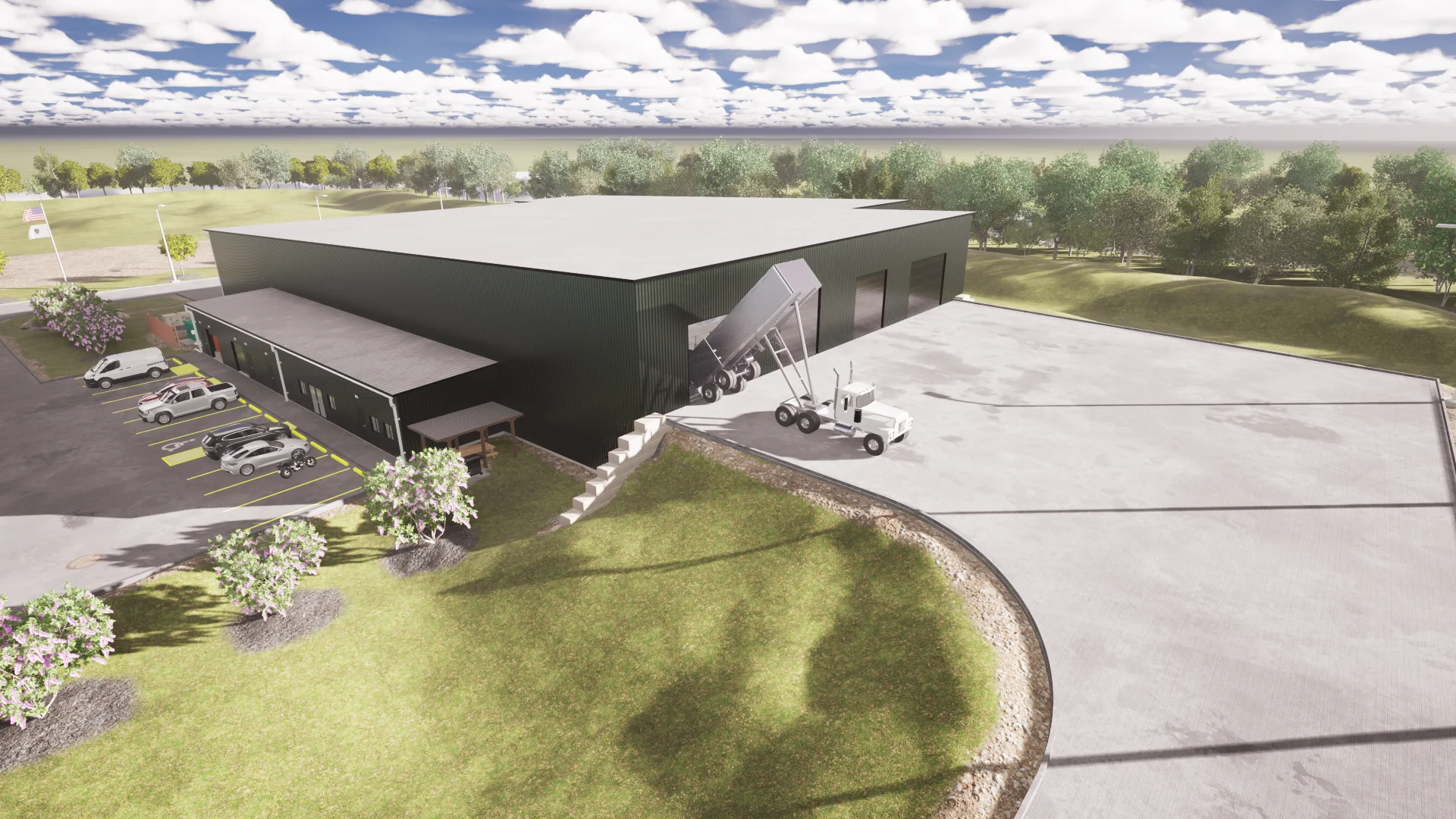
Rendering of a regional biosolids processing campus under construction. REGIONAL PROCESSING CAMPUS · CONSTRUCTION PLANS
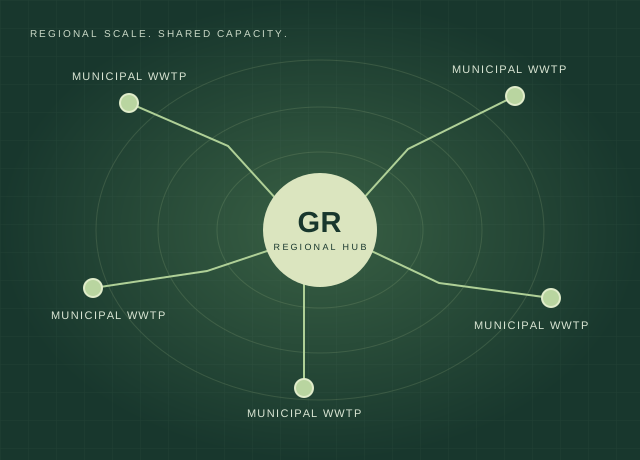
Five municipal wastewater plants connected to one GR regional processing hub.
GR
provides
  • Development
  • Capital Investment
  • Permitting & Project Delivery
  • Thermal Processing Infrastructure
  • Facility Operations
  • Maintenance
  • Product Management
Interior engineering rendering of the Fayetteville thermal drying facility.
Fayetteville, Arkansas · facility rendering
02

Drying-as-a-Service

Thermal processing capacity without municipal equipment ownership.

Through Drying-as-a-Service, Griffin Residuals provides the capital, equipment and specialized operating expertise required to process biosolids under a long-term rate-per-ton service agreement. Sending dewatered biosolids to a GR Regional Biosolids Processing Facility can provide a long-term solution at more attractive rates than landfill. Coupled with the significant environmental benefit of converting waste biosolids into energy and/or nutrient resources, the GR model stands as a clear and responsible choice.

GR can deploy and operate thermal drying infrastructure and energy recovery solutions while assuming responsibility for equipment performance, operations, maintenance and technical support. Each project entails specific processes and technologies; biosolids in New England are not the same as biosolids in Georgia, and processes differ. GR designs and develops our facilities to meet regional needs.

The result is a service model rather than a traditional municipal capital project.

THE CUSTOMER PURCHASES PROCESSING CAPACITY.
GR PROVIDES THE INFRASTRUCTURE TO DELIVER IT.

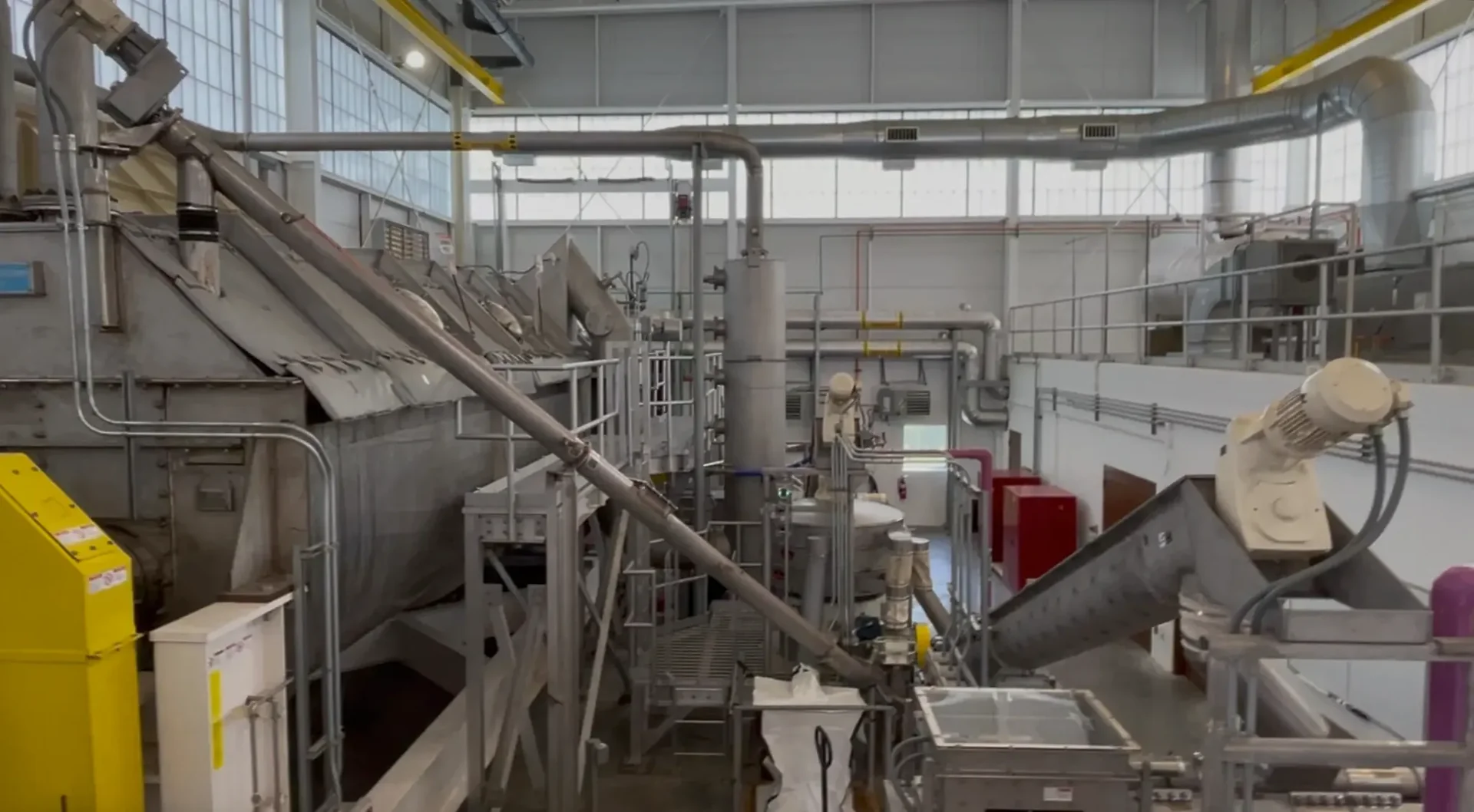
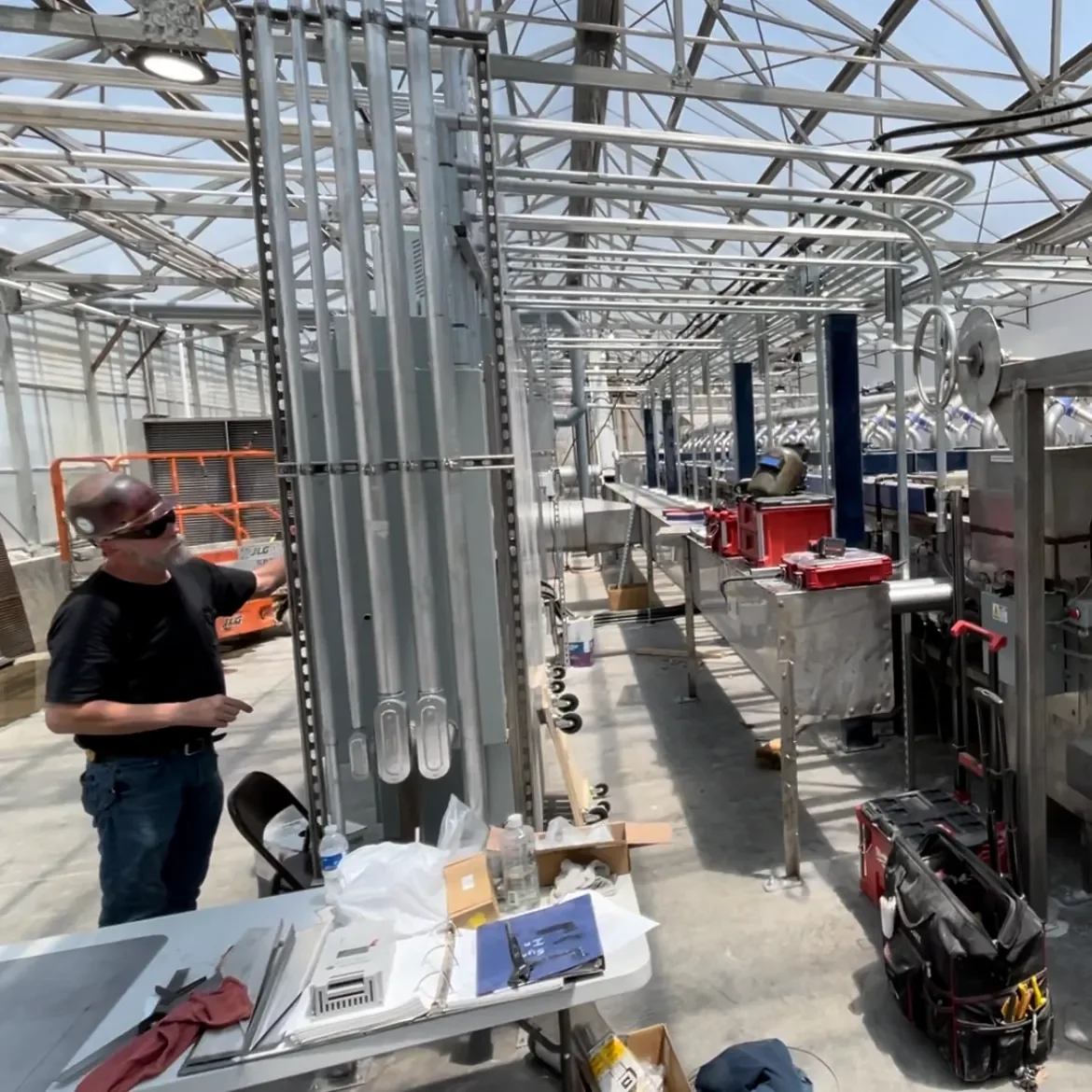
Thermal drying equipment and material-handling systems at the Lake County facility.
Thermal drying facility operations
03

Thermal Drying
Facility Operations

Specialized management for existing thermal drying assets.

Thermal biosolids drying facilities require experienced operators, disciplined maintenance programs and specialized technical knowledge. The skills required to operate and maintain these facilities differ greatly from those required to efficiently operate a WWTP.

Griffin Residuals provides operations and management services for existing municipal and industrial thermal drying facilities. Our business focus is on biosolids management. We develop software management tools, processes and proprietary air and side-stream treatment options to streamline thermal drying operations.

Our services include facility staffing, operations, preventive maintenance, process optimization, troubleshooting, shutdown planning, remote technical support and capital improvement assistance.

For asset owners, GR provides the specialized expertise required to operate complex thermal infrastructure safely, reliably and efficiently.

The regional model

Regional scale changes
the economics of
biosolids management.

Individual wastewater treatment plants often face similar challenges but lack sufficient volume to economically justify major standalone thermal processing infrastructure.

A Regional Biosolids Processing Facility consolidates biosolids from multiple wastewater treatment plants into a single purpose-built processing asset.

From regional capacity to resource recovery · conceptual process
  1. 01Multiple municipal WWTPs
  2. 02Regional receiving & processing
  3. 03Thermal drying
  4. 04Class A biosolids product
  5. 05Beneficial use / product management
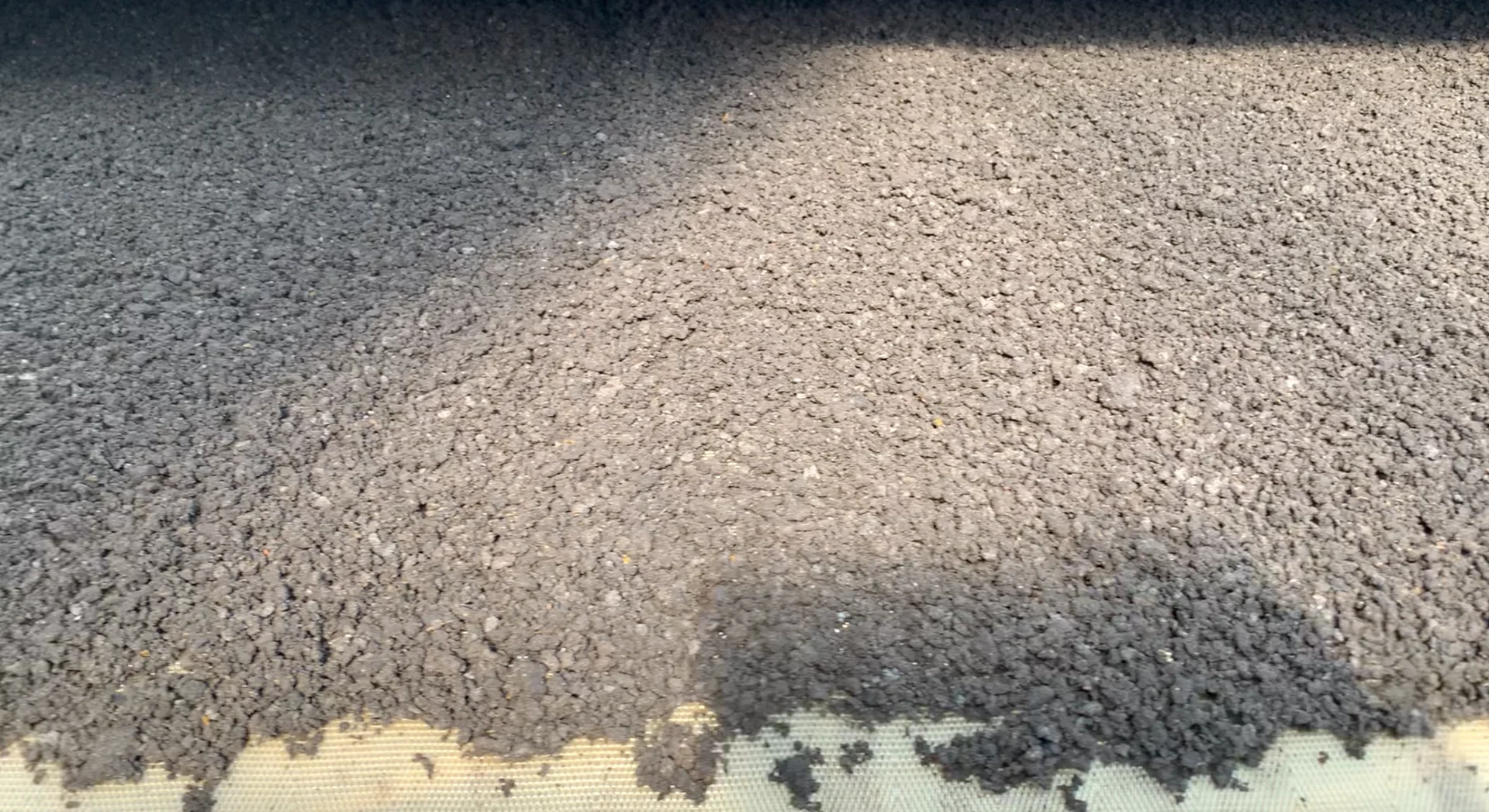
Dried solids on a thermal dryer belt.
THERMAL DRYING
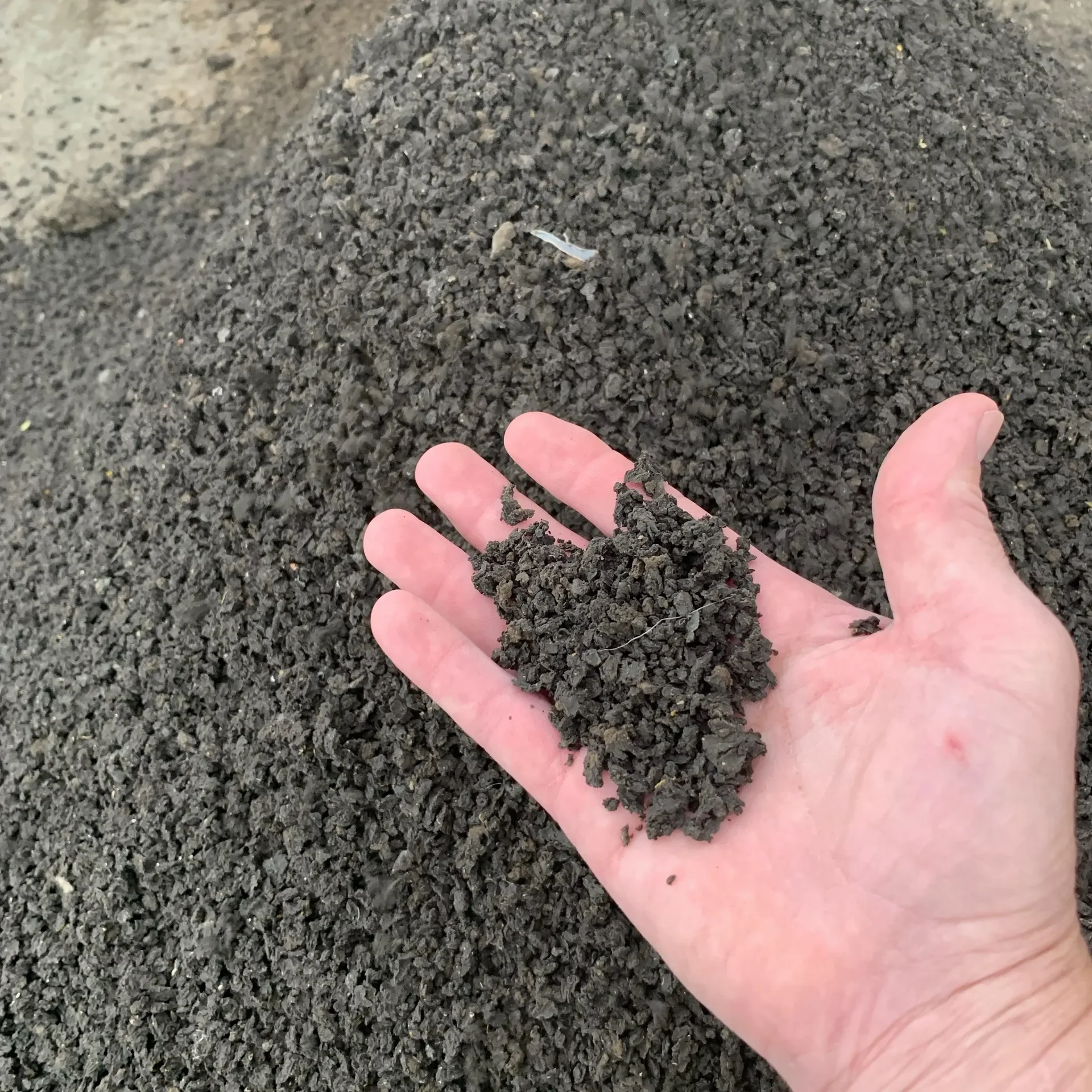
Dried biosolids held in a hand, showing the material texture.
DRIED BIOSOLIDS
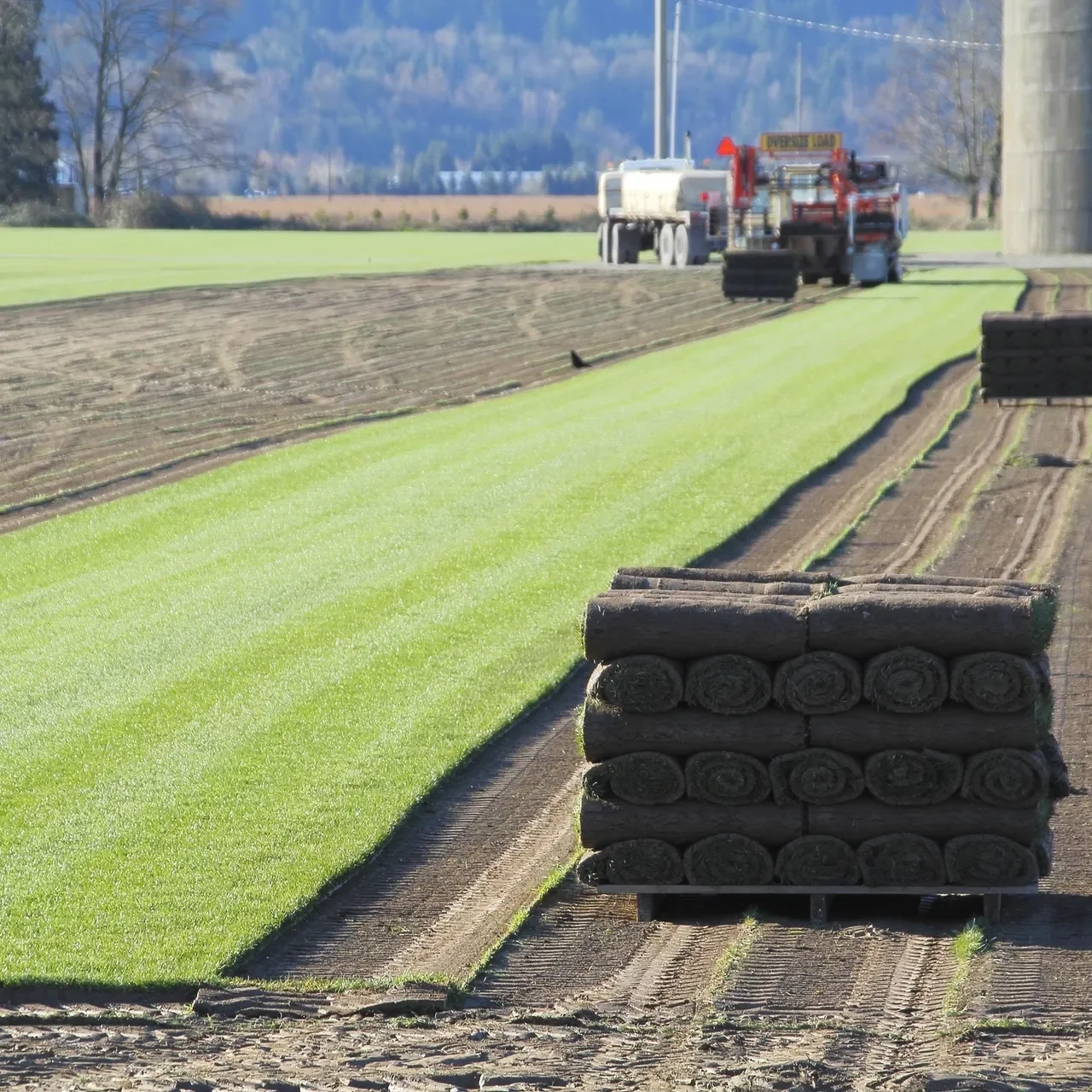
Turf production with harvested sod rolls in an agricultural field.
BENEFICIAL USE

Regional facilities create scale, concentrate specialized operating resources and provide surrounding municipalities with access to long-term processing capacity without duplicating major infrastructure investments.

Learn how the regional model works
Long-term responsibility

Infrastructure developed
for long-term service.

Griffin Residuals approaches biosolids projects as infrastructure investments. We identify regional needs, develop projects, secure permits, arrange capital, construct processing assets and remain responsible for long-term operations.

Our objective is not simply to install equipment. It is to develop reliable infrastructure capable of serving municipalities for decades.

01

Develop

Identify regional demand, secure sites, structure municipal agreements and advance permitting.

02

Invest

Deploy private capital into processing infrastructure designed around long-term municipal demand.

03

Build

Integrate proven thermal drying, energy recovery, receiving, storage, environmental and material-handling systems.

04

Operate

Provide specialized staffing, maintenance, technical support and long-term facility management.

Projects

Infrastructure in operation
and development.

Griffin Residuals is developing and operating biosolids processing projects designed around the specific needs of the communities and utilities they serve.

Explore our projects
Rendering of the Jefferson, Georgia, receiving facility currenlty under construction. UNDER CONSTRUCTION Facility under construction.
Jefferson, Georgia

Jefferson Regional Biosolids Processing Facility

Regional thermal processing infrastructure being developed to provide long-term biosolids capacity for municipalities throughout the surrounding region.

Processing capacity
300 wet tons per day
Dewatered biosolids
Dried product
~60 tons of Class A biosolids daily
GR role
Developer / Investor / Operator
Facility type
Regional Biosolids Processing Facility
View project
Thermal drying equipment and on-site work at the Fayetteville, Arkansas, facility. OPERATIONAL SINCE 2023 Fayetteville thermal drying facility
Fayetteville, Arkansas

Fayetteville, Arkansas

Under a Drying-as-a-Service agreement, GR provides the capital, installation, operational support, maintenance and operational costs for the thermal drying of biosolids from two City of Fayetteville water reclamation facilities.

Processing capacity
~60 wet tons per day
Dewatered biosolids
Service model
Drying-as-a-Service
GR role
Developer / Investor / Installer / Operational Support and Maintenance
Facility type
Regional Biosolids Processing Facility
View project
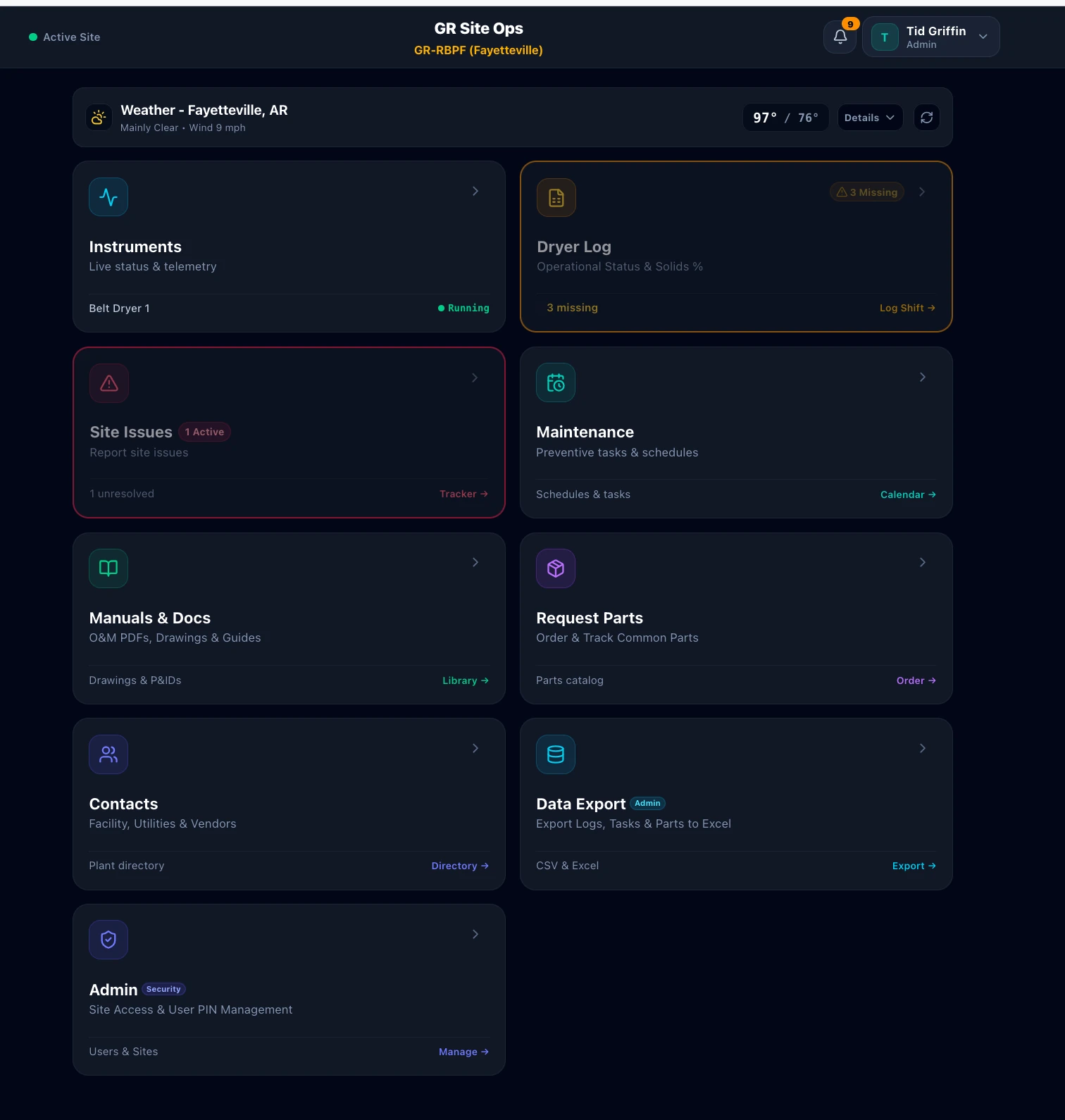
GR Site Ops Proprietary management tools
Static view of GR Site Ops: instruments, dryer logs, site issues, maintenance, manuals, parts, contacts and data export.View interface ↗
GR operations software · static interface view
From the operator’s side of the control room—not simply from the project-development side of the table.
Built on operating experience

Development capability supported by
real-world operations.

Thermal drying infrastructure performs only when engineering, operations and maintenance work together. Each site has different characteristics and biology. Aerobically digested biosolids, WAS, primary/secondary blends, and anaerobically digested biosolids all require different handling, drying and energy recovery technologies.

Griffin Residuals combines infrastructure development with direct operating experience across municipal thermal drying systems to design the most resilient receiving, processing and air/side-stream treatment facilities. That operating perspective influences how we design facilities, evaluate equipment, structure maintenance programs and assume long-term performance responsibility.

Adjacent processes to the thermal drying solutions, such as THP, anaerobic digestion, or post-process gasification and heat recovery offer long-term sustainability and maximize the recovery of energy and nutrients from biosolids.

Aerobically digested WAS Primary / secondary blends Anaerobically digested
Explore our projects
Environmental responsibility

Regional infrastructure can substantially reduce the greenhouse-gas impact of biosolids management.

46%

Conservative reduction
in GHG emissions

Modeled comparison · Landfill to GR
Turf production with harvested sod rolls in an agricultural field.
Resources returned to beneficial use

A collaborative greenhouse-gas analysis compared landfill disposal with GR’s regional thermal drying and beneficial-use model for a representative 300 wet-ton-per-day facility. Even under deliberately conservative assumptions, landfill disposal was calculated at 87.223 tons of CO₂-equivalent emissions, compared with 46.670 tons CO₂e for the Griffin solution—a reduction of approximately 40.6 tons CO₂e, or 46%, for every 300 wet tons processed.

Tons CO₂e per 300 wet tons processed
Landfill disposal 87.223
Griffin solution 46.670
40.6
TONS CO₂e

Avoided per 300 wet tons processed

~14,800
TONS CO₂e

Potential annual reduction at 300 wet tons/day and full-year operation

Modeled comparison, not measured operating results. CO₂e means carbon dioxide equivalent and includes the warming impact of methane. The annual figure assumes 300 wet tons processed per day for 365 days; avoided landfill emissions would otherwise occur over time. Results depend on project-specific assumptions. Source: GR Collaborative GHG Analysis, Version 3.0, March 18, 2026, Table 2. No fertilizer-production offset is included.

Explore environmental responsibility
Griffin Residuals

Built for municipalities.
Built for regions.

Griffin Residuals works with municipalities, utilities, contract operators, engineering firms and environmental service companies to develop long-term biosolids infrastructure.

Whether the need is regional processing capacity, privately funded thermal drying infrastructure or specialized operation of an existing facility, GR structures solutions around long-term reliability and aligned responsibility.

Griffin Residuals · Regional facility film
Regional facility concept and development · 2 min 03 sec Open film in a new tab ↗
GR Site Ops · interface view
GR Site Ops application interface, shown as a static screenshot.